What Are Traditional Metal Braces?
Table of Contents
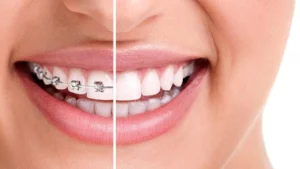
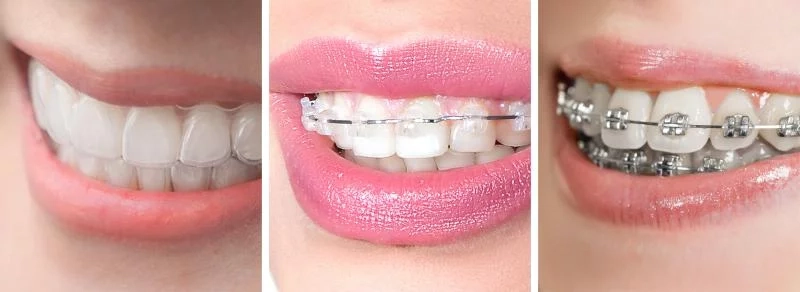
Traditional metal braces are the most widely used type of orthodontic treatment and have been the standard for correcting crooked teeth and bite problems for decades. This type of braces consists of small metal brackets that are bonded to the surface of each tooth and connected with a thin archwire. Your orthodontist periodically tightens or adjusts this wire to gradually move the teeth into their proper positions. Metal braces are usually made from high‑quality stainless steel, which makes them strong, durable, and highly effective for treating both simple and complex malocclusions.Although metal braces are less esthetic than clear aligners, they remain a popular option because of their high effectiveness, relatively affordable cost, and suitability for most age groups—especially children and teenagers. Metal braces help improve the smile, correct the bite, and make teeth easier to clean over the long term, contributing to better oral health and an improved quality of life.
What Are Clear Aligners (Invisalign) and How Do They Work?
Clear aligners, commonly known by the brand name Invisalign, are a modern orthodontic system that uses a series of transparent, medical‑grade plastic trays custom‑made for each patient. They are considered a more esthetic and comfortable alternative to traditional metal braces. Treatment with clear aligners involves wearing a sequence of removable trays, each one designed to apply gentle, controlled pressure to move the teeth gradually into their planned positions according to a precise digital treatment plan.Before starting treatment, the dentist or orthodontist takes digital photos, X‑rays, and impressions or scans of the jaws, then uses 3D software to plan the desired tooth movements and design a series of customized aligners. Each set of aligners is typically worn for about 1–2 weeks, as directed by the doctor, and should be kept in place for 20–22 hours a day for best results in correcting crowding, spacing, and certain types of malocclusion. Clear aligners are easy to remove for eating and brushing,which helps maintain better oral hygiene and reduces plaque buildup compared with metal braces. Their nearly invisible appearance also makes them a preferred choice for adults and image‑conscious teens who want an effective yet discreet way to straighten their teeth.
Appearance and Comfort: Comparing Clear Aligners and Metal Braces
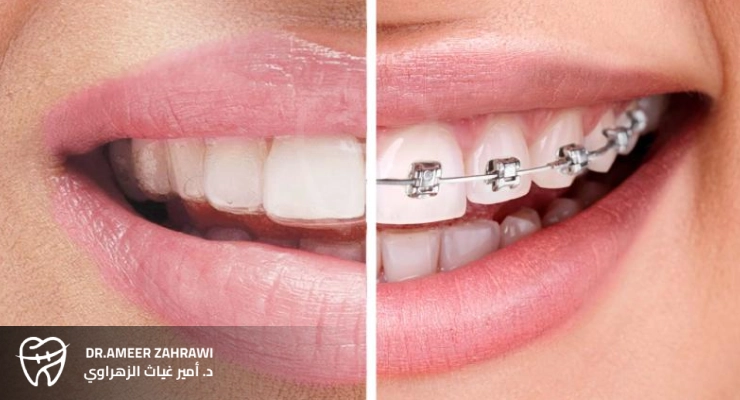
Clear aligners and metal braces differ noticeably in appearance and comfort, which makes them very different options from the patient’s perspective. Clear aligners are almost invisible on the teeth, making them especially appealing to adults, professionals, and anyone concerned about the cosmetic impact of orthodontic treatment. In contrast, metal braces are clearly visible due to the metal brackets and wires, giving a more traditional look that some people find less attractive.In terms of comfort, clear aligners are made of smooth plastic and do not contain sharp wires, which generally reduces irritation to the gums, lips, and cheeks and lowers the risk of mouth sores compared with metal braces. Clear aligners can also be removed for meals and oral hygiene, which adds to day‑to‑day comfort and convenience. Metal braces, on the other hand, are fixed in place 24/7 and can make brushing, flossing, and eating certain hard or sticky foods more challenging.While both options are effective in treating orthodontic problems, the difference in esthetics and everyday comfort plays a major role in how patients choose between clear aligners and traditional metal braces.
Treatment Time: Clear Aligners vs. Metal Braces
The treatment time with clear aligners versus metal braces varies from one patient to another, depending on the type and severity of the orthodontic problem. In many cases, metal braces are considered slightly faster for managing complex cases such as severe crowding or significant misalignment. Clear aligners like Invisalign may take a similar amount of time or in some cases slightly longer, and they are most commonly used for mild to moderate issues. Their effectiveness is closely tied to how consistently the patient wears them for the recommended 20–22 hours per day.On average, treatment with metal braces typically ranges from about 18 to 24 months, while treatment with clear aligners usually ranges from about 12 to 24 months,though this can be shorter or longer depending on the treatment plan, jaw and tooth characteristics, and how well the patient follows instructions. It is important to discuss expected treatment time with your dentist or orthodontist before choosing between clear aligners and metal braces, as a thorough clinical evaluation is the key factor in estimating a realistic timeline.
Cost: Which Option Is More Economical in the Long Run?
When comparing the cost of clear aligners and metal braces, it’s important not to focus only on the initial price, but to consider the total cost of treatment over time. Clear aligners generally have a higher upfront cost, but they may reduce the number of emergency visits and shorten chair time thanks to digital planning and easier progress checks.Metal braces, on the other hand, usually have a lower initial cost,but they may require more frequent visits for adjustments and repairs, as well as possible additional treatments such as professional cleanings for tartar buildup or managing gingivitis caused by difficulty cleaning around brackets and wires. From a long‑term financial perspective, the best option is the one that delivers the most reliable orthodontic results with the fewest extra visits and complications—whether that is clear aligners or metal braces—taking into account your level of compliance and the orthodontic office’s ability to provide close, consistent follow‑up.
Who Is a Good Candidate for Clear Aligners? Who Is Better Suited for Metal Braces?
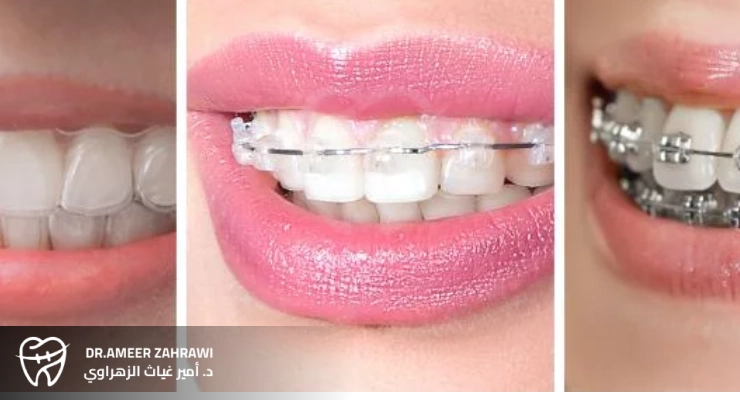
Clear aligners are an ideal choice for adults and teenagers with mild to moderate crowding or small gaps between teeth. They are especially popular among individuals who value a discreet appearance, need a removable option, and want to maintain easier oral hygiene during treatment—such as people who work with the public or are very concerned about their professional image.Traditional metal braces are often better suited for children, teenagers, and adults with more complex bite issues, severe crowding, or cases that require more extensive tooth movement. Metal braces provide strong control over tooth movement and can be more predictable in complicated cases. The choice between clear aligners and metal braces depends on the dentist’s or orthodontist’s assessment of the case, the complexity of the problem, the patient’s ability to wear aligners for the recommended number of hours, and the available budget. This is why a clinical examination and a specialized consultation are essential to determine the most appropriate option for each individual.
Doctor’s Tips for Choosing the Best Type of Orthodontic Treatment
When recommending the best type of orthodontic treatment for you, your doctor will consider several detailed factors to ensure safe and effective results. The process begins with a comprehensive evaluation of the teeth and jaws using X‑rays and digital images to determine the complexity of the problem, such as crowding, protruding jaws, spacing, or malocclusion.If the case is mild to moderate, clear aligners may be a suitable option due to their esthetic advantage and the convenience of removing them for eating and cleaning.For more complex problems, metal braces are often preferred because they offer greater control over tooth movement and can be more precise in achieving the desired corrections. Your orthodontist will also take into account your age, how likely you are to wear clear aligners for the required number of hours each day, your budget, and your functional and cosmetic needs at work or school.The doctor will help you understand the expected treatment duration, the number of visits, and the type of discomfort or pressure you might feel with each option, so the choice aligns realistically with your lifestyle. Do not base your decision solely on how clear aligners or metal braces look—consult a qualified orthodontist who can accurately evaluate your condition and create a personalized treatment plan that delivers the best possible long‑term results.
Why Patients Trust Dr. Amir Zahrawi’s Expertise in Choosing the Right Orthodontic Treatment
Dr. Amir Zahrawi carefully evaluates each patient’s case before recommending the most suitable orthodontic option, whether clear aligners or traditional metal braces, which increases patients’ confidence in the final outcome. Drawing on his experience in diagnosing dental and bite problems and interpreting digital radiographs, he can determine whether a patient needs clear aligners for relatively simple esthetic corrections or metal braces to treat more complex issues and achieve deeper, more comprehensive alignment.He relies on clear, time‑framed treatment plans and explains to patients the advantages and disadvantages of each type of orthodontic treatment, including effectiveness, treatment duration, ease of cleaning, and the appearance of the smile during therapy. This level of transparency, combined with the use of up‑to‑date, internationally recognized orthodontic techniques that meet medical standards, reassures patients that the decision between clear aligners and metal braces is based on precise scientific criteria tailored to their individual needs, not just on appearance.