What Is a Deep Bite and How Is It Diagnosed?
Table of Contents
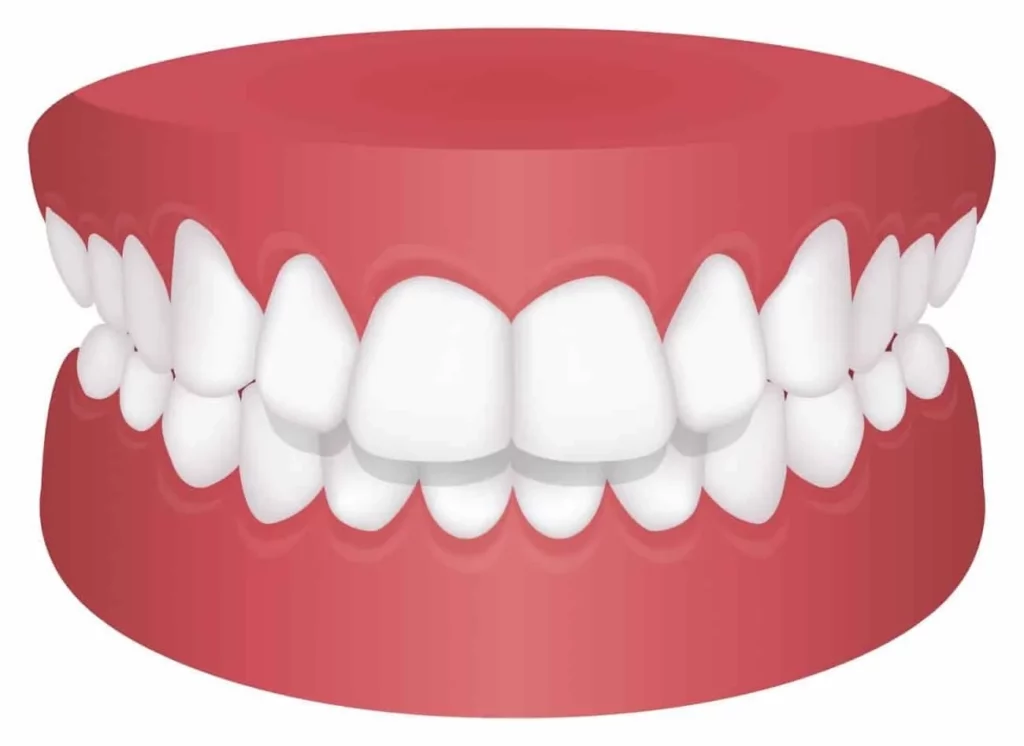
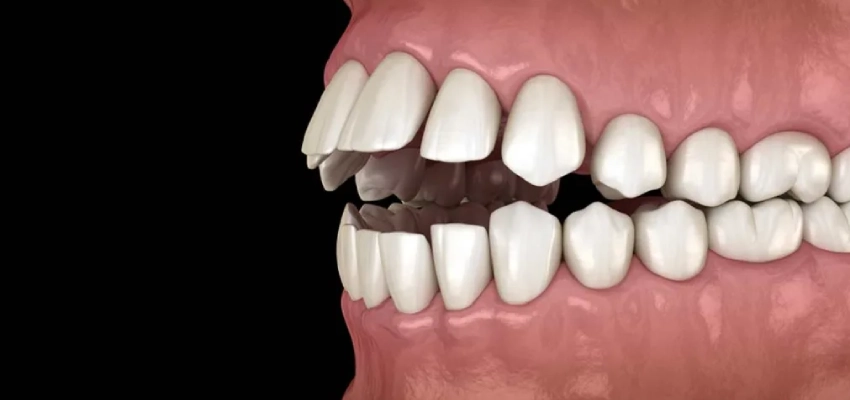
A deep bite is a type of malocclusion (bad bite) that occurs when the upper front teeth excessively overlap most or all of the lower front teeth when the mouth is closed. This creates extra pressure on the teeth, gums, and jaw joint. Deep bite is a common dental problem in both children and adults, and if not treated early it can lead to tooth wear, jaw pain, difficulty chewing, and an unbalanced smile.Diagnosis of a deep bite is based on a clinical examination performed by a dentist or orthodontist, who assesses the relationship between the upper and lower jaws and the amount of overlap of the front teeth. Dental X‑rays, intraoral and facial photographs, and sometimes dental impressions or digital scans are used to analyze the bite accurately, determine the severity of the deep bite, and design an appropriate treatment plan. Early diagnosis helps prevent complications and improves jaw health, chewing function, and the aesthetics of the smile over the long term.
Main Causes of a Deep Bite
A deep bite usually develops due to a combination of genetic factors and harmful oral habits that affect the growth of the jaws and teeth over time. Genetics play a key role in jaw shape and tooth size. A person may inherit a small jaw with relatively large teeth, or a mismatch in upper and lower jaw growth, which increases the overlap of the upper front teeth over the lower ones. Harmful childhood habits such as prolonged thumb sucking, pacifier use beyond the appropriate age, or tongue thrusting against the front teeth are also common contributing factors.In addition, early loss of back teeth, delayed treatment of dental decay, or ignoring needed orthodontic treatment in childhood can alter the bite and make the deep bite worse over time. In some cases, temporomandibular joint (TMJ) disorders, jaw muscle problems, or poor head and neck posture can further aggravate a deep bite. This makes early diagnosis and regular follow‑up with an orthodontist essential for prevention and effective treatment.
Symptoms That May Indicate a Deep Bite
A deep bite can often be recognized through a set of noticeable signs, the most obvious of which is the upper front teeth covering a large portion or all of the lower front teeth when the mouth is closed. Many patients experience pain or fatigue in the jaw muscles and the temporomandibular joint, along with frequent headaches, especially in the morning or after prolonged chewing.Patients may notice gradual wear or chipping of the front or back teeth due to excessive pressure, as well as tooth sensitivity when eating hot or cold foods.You may also be interested in: Everything You Need to Know About Temporomandibular Joint Disorders (TMJ Disorders)Other common signs include indentations or marks on the gums or palate behind the upper front teeth caused by the lower teeth, and sometimes mild inflammation or sores in these areas. A deep bite can also make it difficult to bite into hard foods and may affect the pronunciation of certain sounds, in addition to causing discomfort when smiling or dissatisfaction with dental appearance.In advanced, untreated cases, a deep bite can lead to gum recession, increased tooth mobility, and TMJ problems. For this reason, consulting an orthodontist is important if any of these symptoms are noticed.
Health Risks of Ignoring Deep Bite Treatment
Ignoring a deep bite does more than affect the appearance of the teeth and smile; it can also cause cumulative health problems that become more complex over time. An untreated deep bite can lead to excessive wear of the enamel on the lower front teeth due to constant contact, which increases tooth sensitivity and raises the risk of decay and fractures.The condition can also place extra stress on the temporomandibular joint, contributing to jaw pain, recurrent headaches, and difficulty opening the mouth or chewing comfortably. Other common risks include gum inflammation, gum recession around the front teeth, and abnormal distribution of chewing forces, which can speed up premature tooth loss.In some cases, an untreated deep bite may be associated with speech problems, a tendency to breathe through the mouth instead of the nose, and even neck and shoulder pain due to imbalance between the jaws and the spine. Early diagnosis and treatment by an orthodontist are therefore essential to protect the long‑term health of the teeth, gums, and jaw joints.
Treatment of Deep Bite in Children and Teenagers
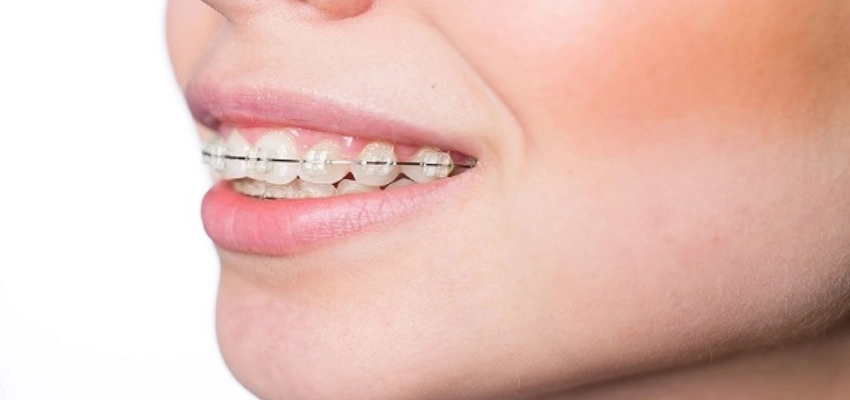
Treatment of deep bite in children and teenagers begins with a thorough evaluation by a dentist or orthodontist to identify the underlying cause and severity, and then creating an individualized treatment plan based on the child’s age and jaw and tooth development.Treatment often involves the use of fixed or removable orthodontic appliances to reposition the front and back teeth and correct the bite, along with special appliances to widen the upper jaw or stimulate forward growth of the lower jaw when the deep bite is related to jaw growth problems. Early interceptive orthodontic treatment can be especially effective, using relatively simple interventions to guide jaw growth and correct harmful oral habits such as thumb sucking or tongue thrusting that worsen a deep bite.For teenagers, treatment focuses on using metal braces or clear aligners to correct the deep overbite and improve jaw alignment. Functional appliances or mandibular advancement devices may be used when needed. In severe or complex cases, a combined approach involving both orthodontic treatment and jaw surgery after growth is complete may be recommended, followed by regular follow‑up to maintain the results and ensure the long‑term health of the teeth and gums.
Treatment Options for Adults
Treatment options for deep bite in adults often combine orthodontic and, in some cases, restorative procedures, with the goal of correcting the bite and improving jaw function. In mild to moderate cases, conventional braces or clear aligners (such as Invisalign) can be used to intrude or reposition the front teeth and/or elevate the back teeth, reducing pressure on the front teeth. This helps redistribute chewing forces and protect the enamel from further wear.In more complex cases—especially when the deep bite is related to jaw skeletal discrepancies or TMJ problems—dentists or orthodontists may recommend a comprehensive treatment plan. This can include fixed appliances, rebuilding worn teeth with fillings or crowns, and, in selected severe cases, orthognathic (jaw) surgery to reposition the jaws.Choosing the best treatment for a deep bite in adults depends on a detailed assessment that includes X‑rays, TMJ evaluation, and bite analysis. For this reason, it is important to consult an experienced orthodontist to design a personalized plan that improves aesthetics, relieves pain or headaches related to malocclusion, and helps prevent tooth wear and gum problems in the long term.
Expected Duration of Deep Bite Treatment
The expected duration of deep bite treatment varies from one patient to another depending on the severity of the problem, the patient’s age, and the type of treatment used. On average, most cases require about 12 to 24 months to achieve stable results and a well‑balanced smile.Milder cases may take less than a year with clear aligners or fixed braces, whereas severe or complex cases—especially in adults—may take more than two years and sometimes require surgical intervention combined with orthodontics.It is important for patients to understand that deep bite treatment is not just about “straightening the teeth.” It also aims to correct the relationship between the upper and lower jaws and improve how the teeth fit together. Success and treatment speed largely depend on attending appointments regularly, following the orthodontist’s instructions on wearing appliances, and maintaining good oral hygiene. These factors help shorten treatment time and ensure long‑lasting, stable results.
Deep Bite Treatment with Braces by Dr. Ameer Ghayyath Zahrawi
Dr. Ameer Ghayyath Zahrawi provides comprehensive orthodontic treatment plans for deep bite correction, focusing on restoring a healthy balance between the jaws and achieving a functional, stable bite. Through a detailed clinical examination, 3D imaging, and digital models of the teeth, he assesses the severity and underlying causes of the deep bite—whether due to dental crowding, short posterior teeth, or jaw growth discrepancies.Deep bite treatment with orthodontics may involve fixed braces or clear aligners, with carefully planned bite‑opening mechanics. This can include elongating the back teeth, intruding or shortening the front teeth when appropriate, and redistributing chewing forces in a healthier way. Dr. Zahrawi aims for long‑term, stable results that improve chewing and speech, protect teeth from wear and excessive load on the TMJ, and enhance the overall appearance of the smile.By using the latest orthodontic technologies and individualized treatment plans, deep bite correction becomes more precise, comfortable, and safe, with shorter treatment times whenever possible and optimal final outcomes.
Frequently Asked Questions About Deep Bite
Is a deep bite serious if left untreated?
Yes. Over time, an untreated deep bite can cause tooth wear, jaw joint pain, gum recession, and difficulty chewing or speaking clearly. Early treatment is recommended to avoid these complications.
Can a deep bite be treated without braces?
In some mild cases, it may be improved with restorative treatments or minor bite adjustments. However, most cases require orthodontic treatment or specialized orthodontic intervention to achieve stable, long‑term results.
Is deep bite treatment painful?
Deep bite treatment is usually not painful. Patients may feel some discomfort or soreness at the beginning of orthodontic treatment or after periodic adjustments, but this typically subsides within a few days as they adapt.
Are treatment methods different for children and adults?
Yes. In children, growth can be guided using early orthodontic appliances to influence jaw development. In adults, treatment focuses more on moving the teeth and may sometimes involve restorative procedures or jaw surgery in advanced cases.
When will I start seeing results from deep bite treatment?

Improvements usually begin to appear gradually within the first few months. Overall treatment time commonly ranges from about one to two years, depending on the severity of the case and how closely the patient follows the prescribed treatment plan.